Plan the sale before the doors open
Begin with a clear keep list. Family pieces, fixtures, and anything excluded from the sale should be identified before pricing and promotion. After reviewing the remaining contents, we discuss display space, preparation, buyer access, and a realistic timetable.
A home full of furniture and household goods needs a different plan from a small collection of valuable objects. We evaluate the whole picture rather than assuming every estate needs the same sale format.
Access and presentation matter
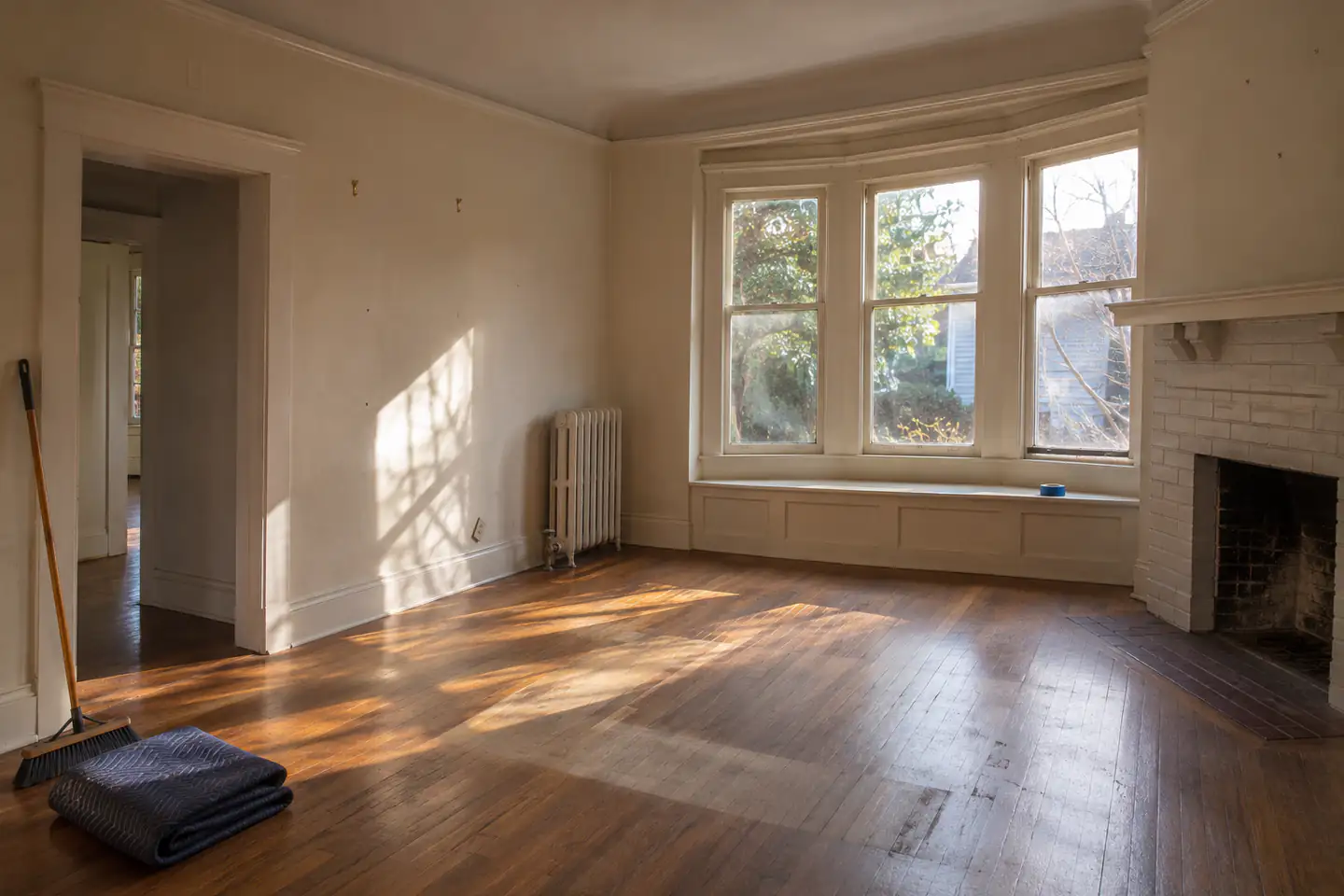
Ground-floor access, parking, stairways, and rooms that must remain private shape how buyers can move through a home. Oakland condominiums and occupied houses may have rules or practical limits that make public sale days unsuitable.
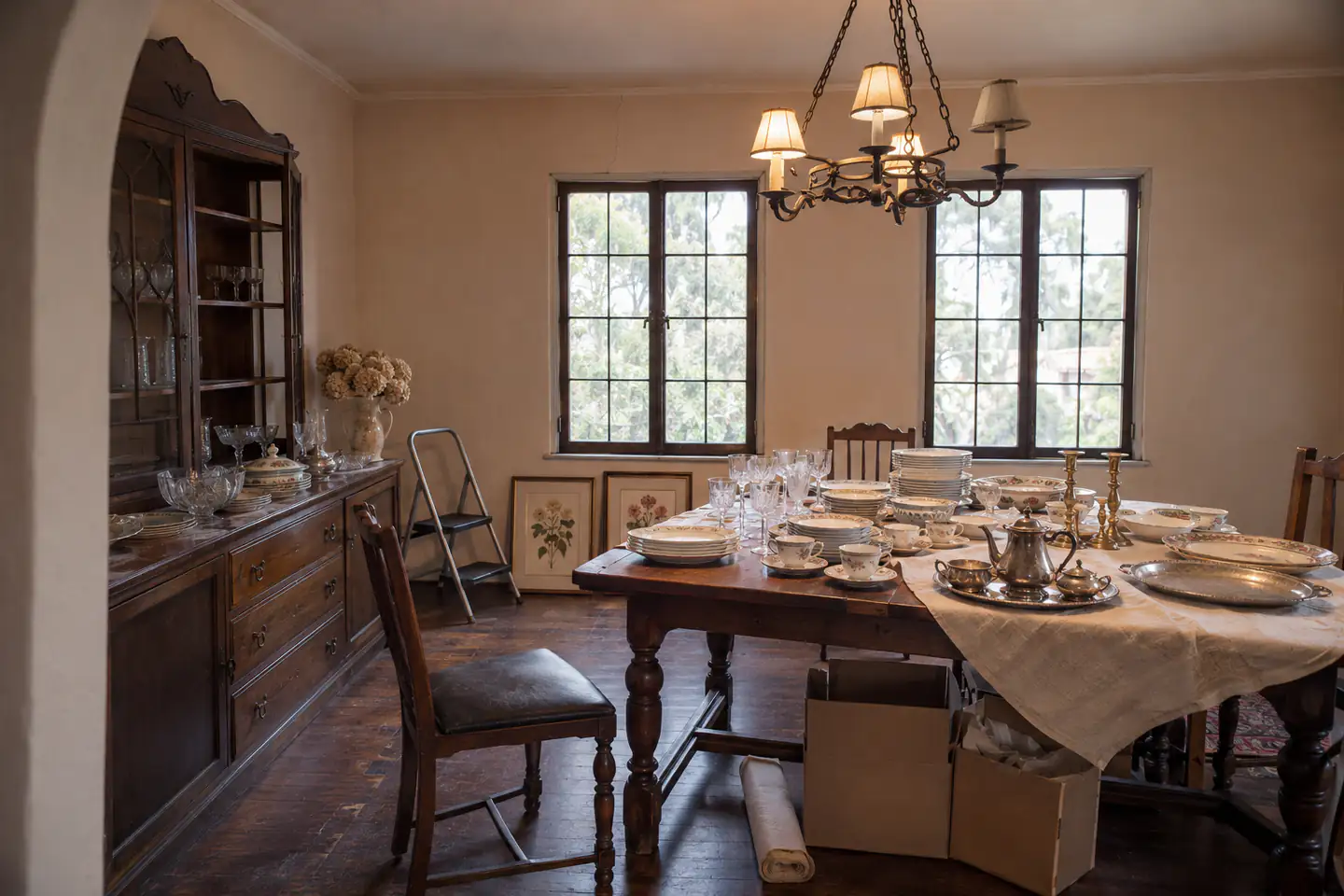
Where an in-person sale is the right fit, presentation and clear pricing help buyers understand what is available. Where it is not, we can discuss an online auction with scheduled pickup instead.
Put the after-sale plan in writing
An estate sale does not automatically empty a property. Some belongings may not sell, and large items can be expensive to move. Before the sale, decide whether the family will retain unsold items, arrange donations, or request a separately scoped cleanout.
Ask when buyer removal ends, when proceeds are reconciled, and who handles any items left behind. These details protect your property timeline as much as the sale itself.
Selling a home as well as its contents?
Share the listing, photography, or handover deadline with us. Your real estate agent’s schedule can help determine when belongings should be photographed, sold, and removed. The assessment can begin while you are still deciding what to keep.